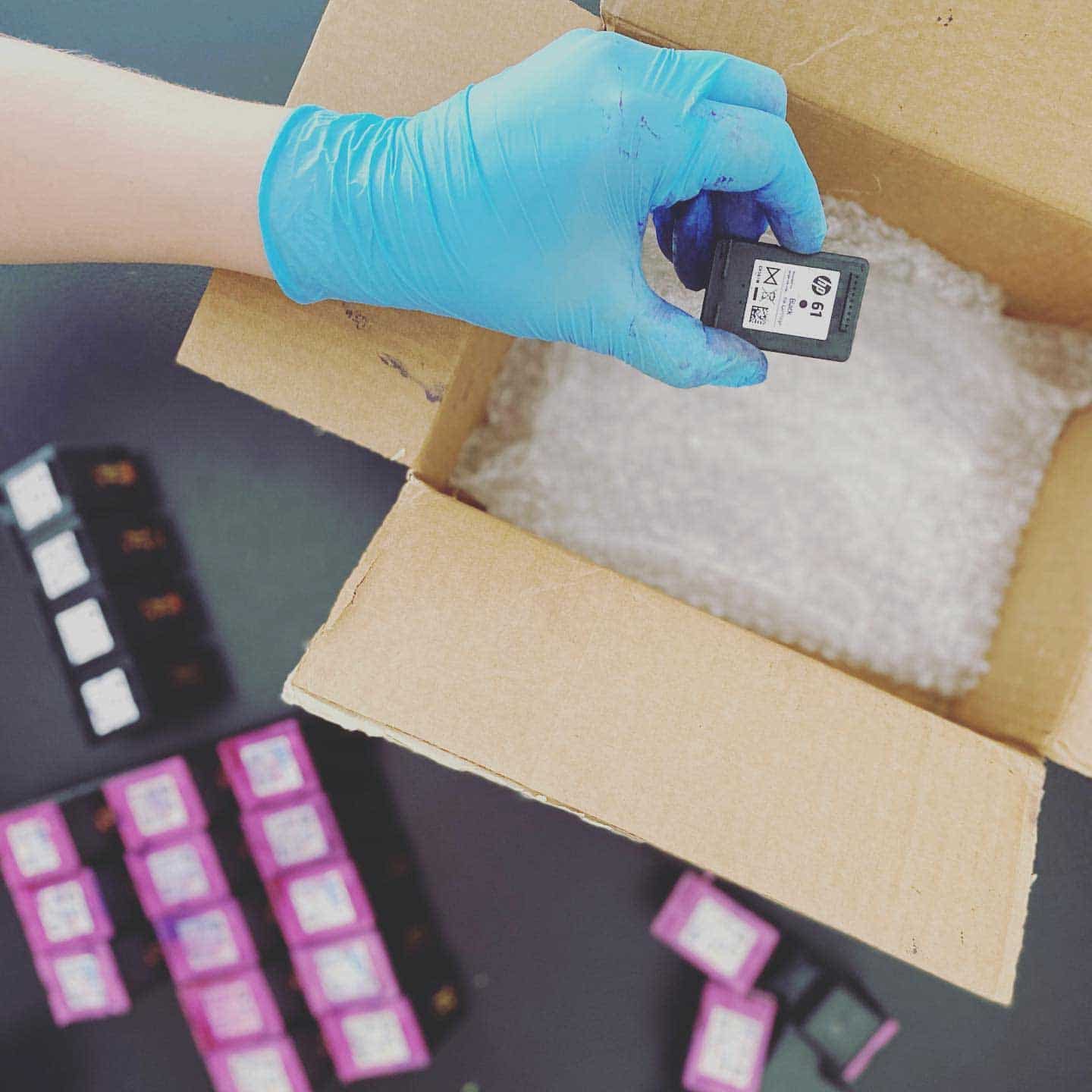
Welcome to 2026. As environmental consciousness moves from a peripheral lifestyle choice to a central component of modern living, many are exploring new avenues of sustainability. One of the most impactful, yet frequently misunderstood, practices is the proper disposal of printer consumables. If you find yourself asking, "What is ink cartridge recycling, and how does it actually work?" you are taking the crucial first step toward minimizing your household or office's ecological footprint.
In this comprehensive guide, we are introducing people to ink cartridge recycling in 2026 by breaking down the mechanics, the environmental imperatives, and the economic benefits of this vital process. Specifically focusing on HP and Canon inkjet cartridges, we will demystify the journey of an empty cartridge and explain why tossing it into the standard trash is a practice best left in the past.
The Fundamental Question: What is Ink Cartridge Recycling?
At its core, ink cartridge recycling is the industrial process of recovering, cleaning, and repurposing the complex materials found within empty printer cartridges. It is not merely about crushing plastic; it is an intricate form of e-waste management designed to salvage precision-engineered components. When you ask, "what is ink cartridge recycling," you are delving into a circular economic model. Instead of a linear path from the factory to the landfill, recycling routes these empty "cores" back into the manufacturing stream.
In 2026, the technology behind this process has reached unprecedented levels of efficiency. We are now able to extract the residual liquid inks—preventing toxic chemical leaching—while preserving the delicate thermal and piezoelectric printheads unique to brands like HP and Canon. These preserved components are then utilized to build remanufactured cartridges, drastically reducing the demand for raw petroleum extraction and the energy consumption associated with manufacturing new plastic housings.
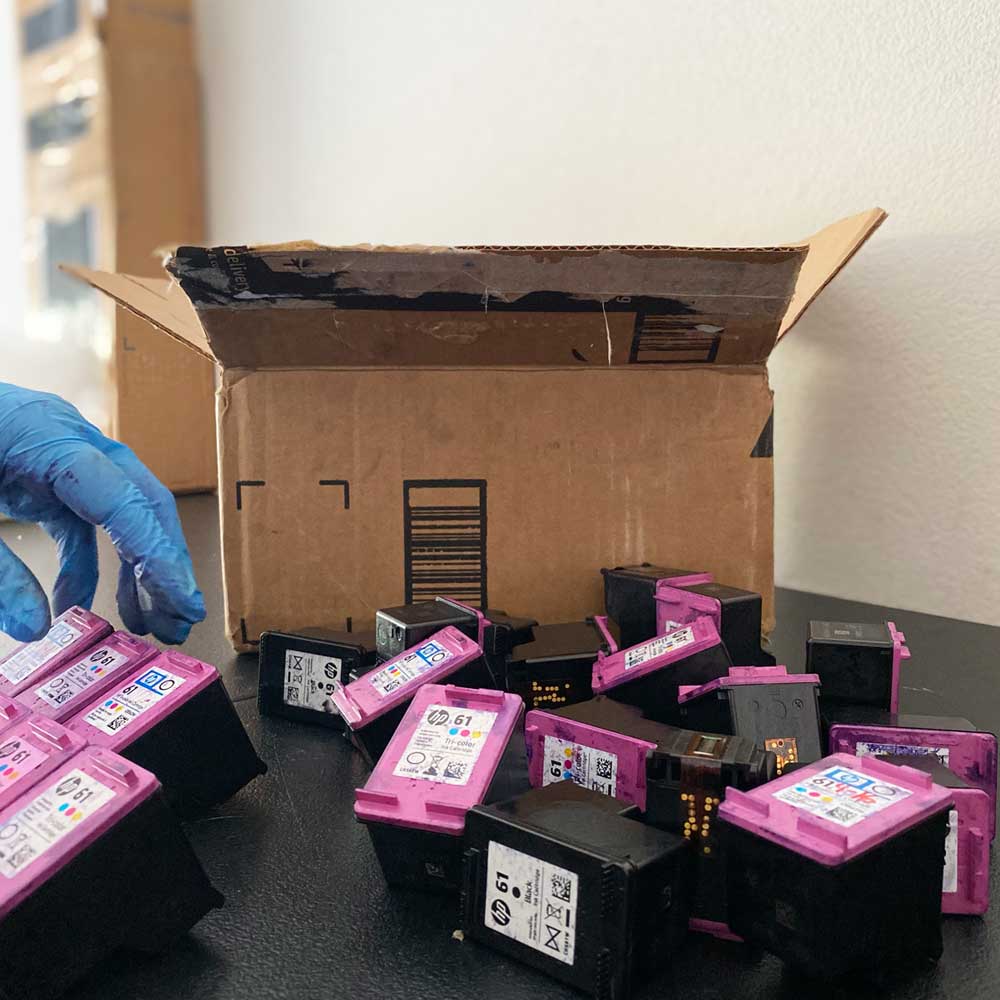
The Anatomy of an Inkjet Cartridge
To truly appreciate why we are introducing people to ink cartridge recycling in 2026, one must look at the anatomy of the cartridges themselves. An HP or Canon inkjet cartridge is a technological marvel. It consists of high-grade, engineering-specific plastic polymers designed to withstand extreme temperature fluctuations during the printing process. Beyond the plastic shell, these cartridges contain microscopic metal nozzles, copper connective plating, and often, small microchips that communicate with your printer.
When these materials are unceremoniously dumped into a local landfill, they do not simply decompose. The plastic can take anywhere from 450 to 1,000 years to break down, slowly shedding microplastics into the surrounding soil. The heavy metals and residual volatile organic compounds (VOCs) present in the ink can seep into groundwater. Therefore, what is ink cartridge recycling? It is essentially a rescue operation for these valuable and potentially hazardous materials. By isolating the plastic, copper, and gold elements, specialized recycling facilities ensure that these resources are recaptured and utilized for future generations of technology, rather than becoming a permanent blight on our ecosystem.
What printing does to our planet at a Global Scale
It is easy to underestimate the power of a single empty ink cartridge. However, when we focus on introducing people to ink cartridge recycling in 2026, we emphasize the cumulative global impact of household and small business recycling habits. Every year, an estimated 350 million printer cartridges end up in landfills worldwide. If placed end-to-end, this amount of e-waste would circle the Earth.
By shifting the paradigm and choosing to recycle, you directly participate in the reduction of greenhouse gas emissions. The remanufacturing of a single inkjet cartridge saves approximately two ounces of oil and prevents the emission of roughly two pounds of carbon dioxide compared to producing a brand-new unit. When multiplied by the millions of households actively participating in mail-in recycling programs, the environmental savings are astronomical. What is ink cartridge recycling on a macro level? It is a decentralized, collective effort to throttle our reliance on fossil fuels and mitigate the ongoing climate crisis, one small plastic shell at a time.
The 2026 E-Waste Landscape: Mail-In vs. Retail Drops
Historically, introducing people to ink cartridge recycling meant directing them to a cardboard bin at a local big-box retailer. However, the retail landscape of 2026 looks vastly different. High operational costs, mixed-waste contamination, and changing consumer habits have led many physical stores to abandon their in-store recycling programs. This has paved the way for the superior, direct-to-processor mail-in model.
Today, the most effective way to recycle is online. Platforms like InkRecycling.org have streamlined the logistics, offering instant, prepaid shipping labels that allow you to mail your empty HP and Canon inkjet cartridges directly to specialized facilities. This eliminates the middleman, reduces the carbon footprint associated with multi-stop retail transport, and ensures a higher rate of successful material recovery. It is a modernized approach perfectly tailored for the digital age, prioritizing extreme convenience without compromising environmental integrity.
Step-by-Step: Engaging in the Circular Economy
Understanding "what is ink cartridge recycling" is only half the journey; taking action is the other. We have engineered our process to be as frictionless as possible, ensuring that anyone, anywhere, can participate.
1. Verification: First, confirm that your empty cartridges are genuine HP or Canon inkjet models. Our facility is fine-tuned for these specific, high-value components. (Note: We do not accept or process laser toner cartridges.)
2. Label Generation: Navigate to our digital portal and generate your free, prepaid shipping label. We cover all logistical costs.
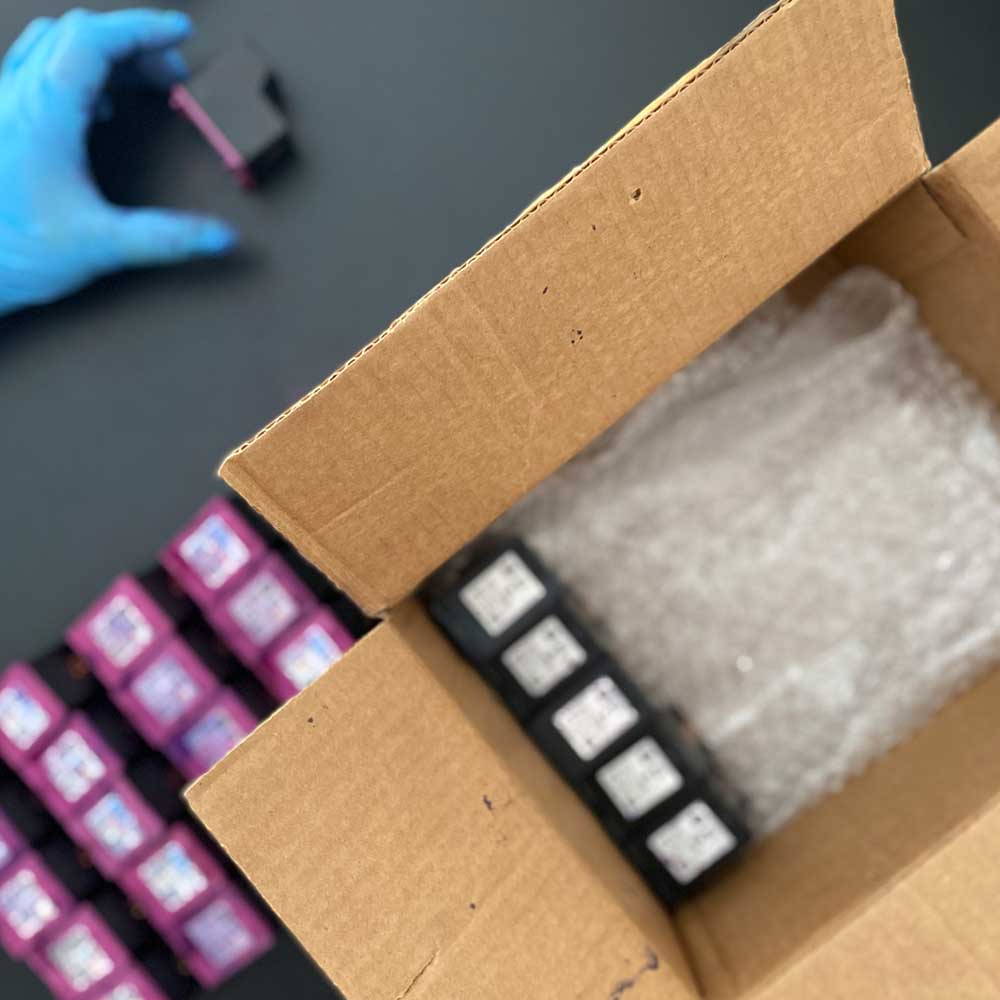
3. Secure Packaging: Place your empty inkjets into a repurposed cardboard box. Attach the label securely, and hand it to your local postal carrier or drop it at a designated shipping location.
The Financial and Social Incentives
One of the most exciting aspects of introducing people to ink cartridge recycling in 2026 is the economic reality of the circular economy. Because the raw materials and intact printheads of HP and Canon cartridges hold significant value in the remanufacturing sector, we are able to pass that value back to you. Recycling is no longer just a charitable act for the planet; it can be a lucrative endeavor.
Many of our users, from individual freelancers to large-scale educational institutions, utilize our program as an active fundraising tool or cost-saving measure. By monetizing your e-waste, you are proving that sustainability and profitability are not mutually exclusive. Furthermore, your participation sends a powerful social signal. It demonstrates to your community, your clients, and your family that you are actively engaged in modern environmental stewardship.